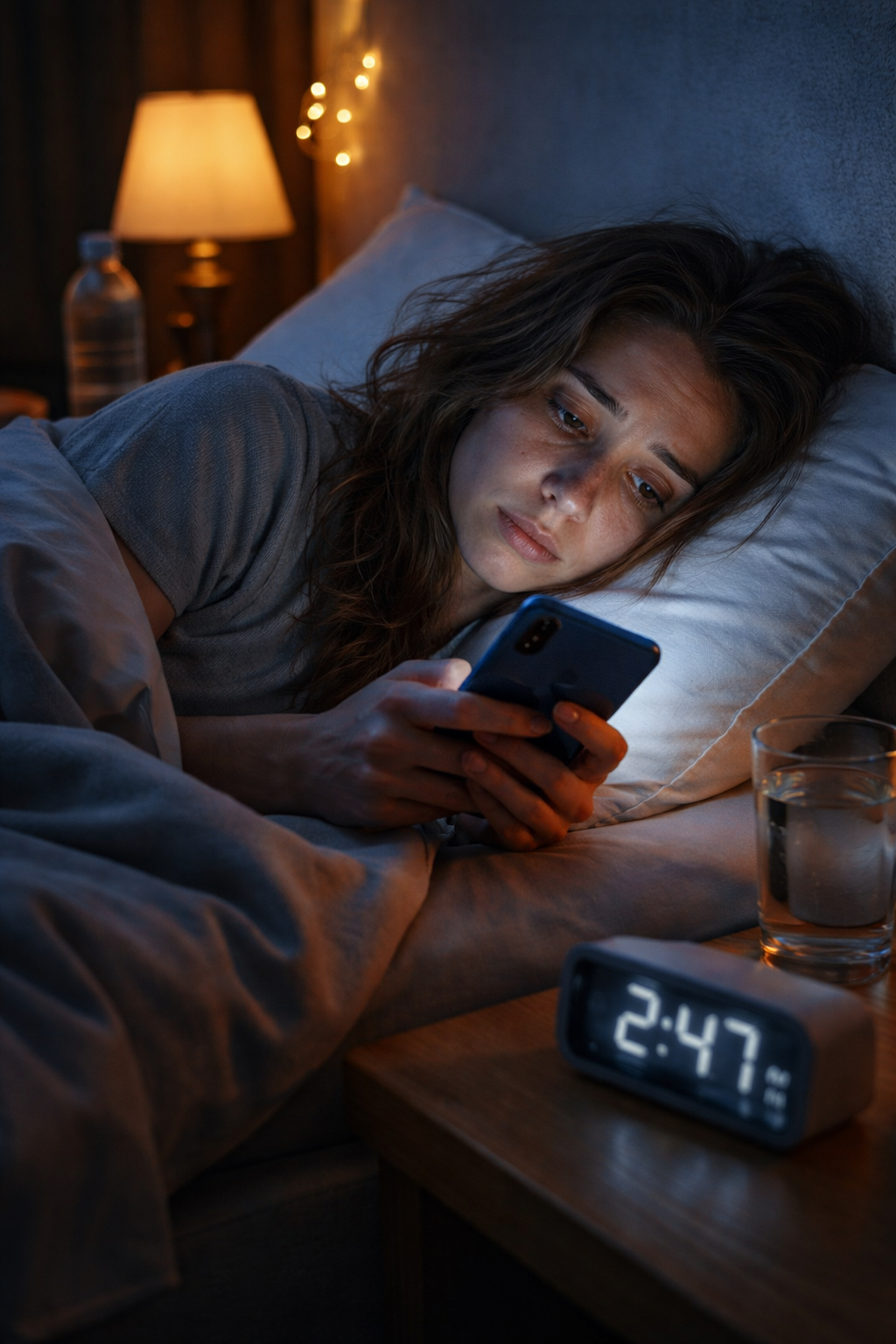
I know that feeling all too well. You’re physically drained, your eyes are begging for mercy, and you’re fully aware that your alarm is set for an ungodly hour. Yet, you keep scrolling, or watching, or reading. Just one more episode, one more TikTok, one more level of your game. It feels like a tiny act of rebellion, a secret pocket of the day that belongs only to you.
There is a name for this quiet, nightly defiance. It’s called revenge bedtime procrastination, and you are far from alone in this struggle. Let’s explore what it really is, why we do it, the price we pay, and most importantly, how we can finally choose rest over rebellion.
At its core, revenge bedtime procrastination is defined by three specific factors:
- A delay in going to sleep that cuts into your total sleep time.
- No external reason for staying up (like a work emergency or a crying baby).
- A full awareness that staying up late will likely lead to negative consequences.
There are two ways this manifests. The first is not getting into bed when you should. The second is climbing into bed on time, only to waste precious hours scrolling, streaming, or doing anything other than closing your eyes.
The term “bedtime procrastination” has a fascinating journey. The core idea was first introduced in a 2014 study by researchers at Utrecht University in the Netherlands. However, the fiery “revenge” prefix originated in China. It emerged from the Chinese phrase “bàofùxìng áoyè,” which translates to “retaliatory staying up late.” The term was popularized globally by a journalist, who tweeted the perfect explanation:
It’s a phenomenon where “people who don’t have much control over their daytime life refuse to sleep early in order to regain some sense of freedom during late night hours.” The “revenge” aspect isn’t about vengeance against a person, but against a schedule that offers little personal freedom.
Daphne K. Lee
This isn’t a niche problem. A recent survey of 2,000 Americans found that a staggering 96% of respondents admitted to sacrificing sleep for personal time. On average, people engage in revenge bedtime procrastination 3.5 times a week, losing over 300 hours of sleep per year. It’s a silent epidemic.
Certain people are more prone to this quiet rebellion. Take parents—after a relentless day of giving, they ache for just a few minutes of uninterrupted silence. Or students and young professionals, suffocating under the weight of deadlines and demands. Then there are those trapped in high-stress jobs—like China’s infamous “996” culture (9 AM to 9 PM, six days a week)—for whom the late night isn’t a choice, but the only breath of freedom they’ll get all day.
The price of this nightly “revenge” is paid in the currency of our health and well‑being. Chronic sleep deprivation, for starters, is a one‑way ticket to irritability, heightened stress, and difficulty concentrating—and it significantly raises the risk of depression and anxiety. Meanwhile, your body needs sleep to repair itself; without it, you face a weakened immune system, weight gain, and serious long‑term conditions like heart disease, high blood pressure, and type 2 diabetes. Perhaps the cruelest irony is that the more exhausted you are, the less productive you become the next day. That forces you to work even later, leaving even less personal time, which fuels another night of revenge.
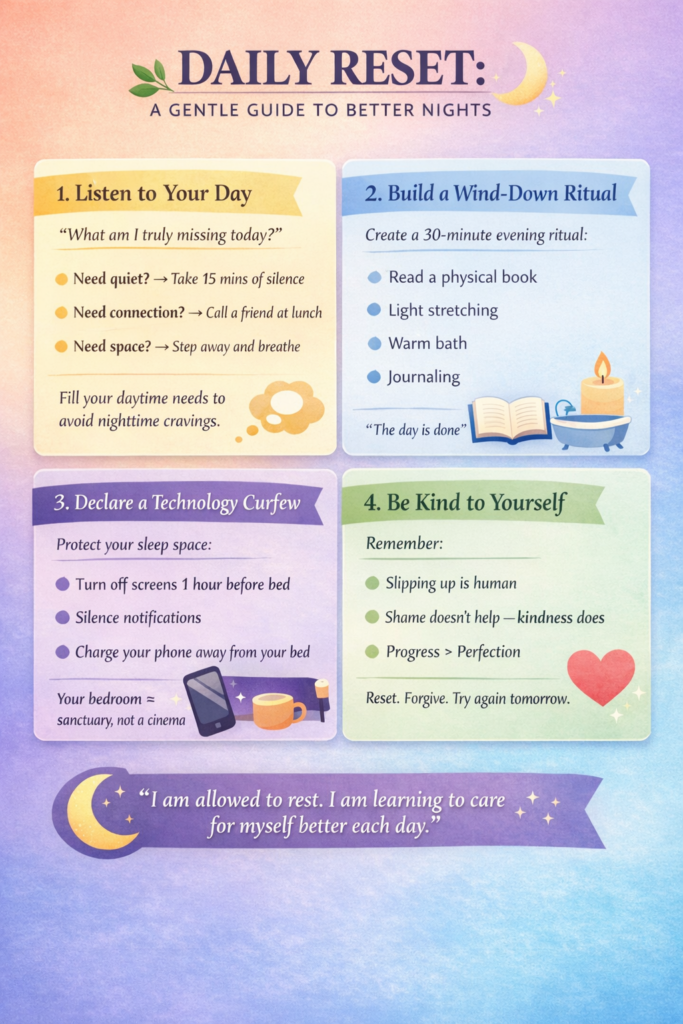
Breaking free isn’t about willpower; it’s about strategy and self-compassion. Here’s how to start:
So tonight, when the urge to take your “revenge” strikes, take a deep breath. Consider that the most powerful act of self-care might not be staying up to find a little more of your day, but reclaiming your tomorrow by getting a great night’s sleep.