
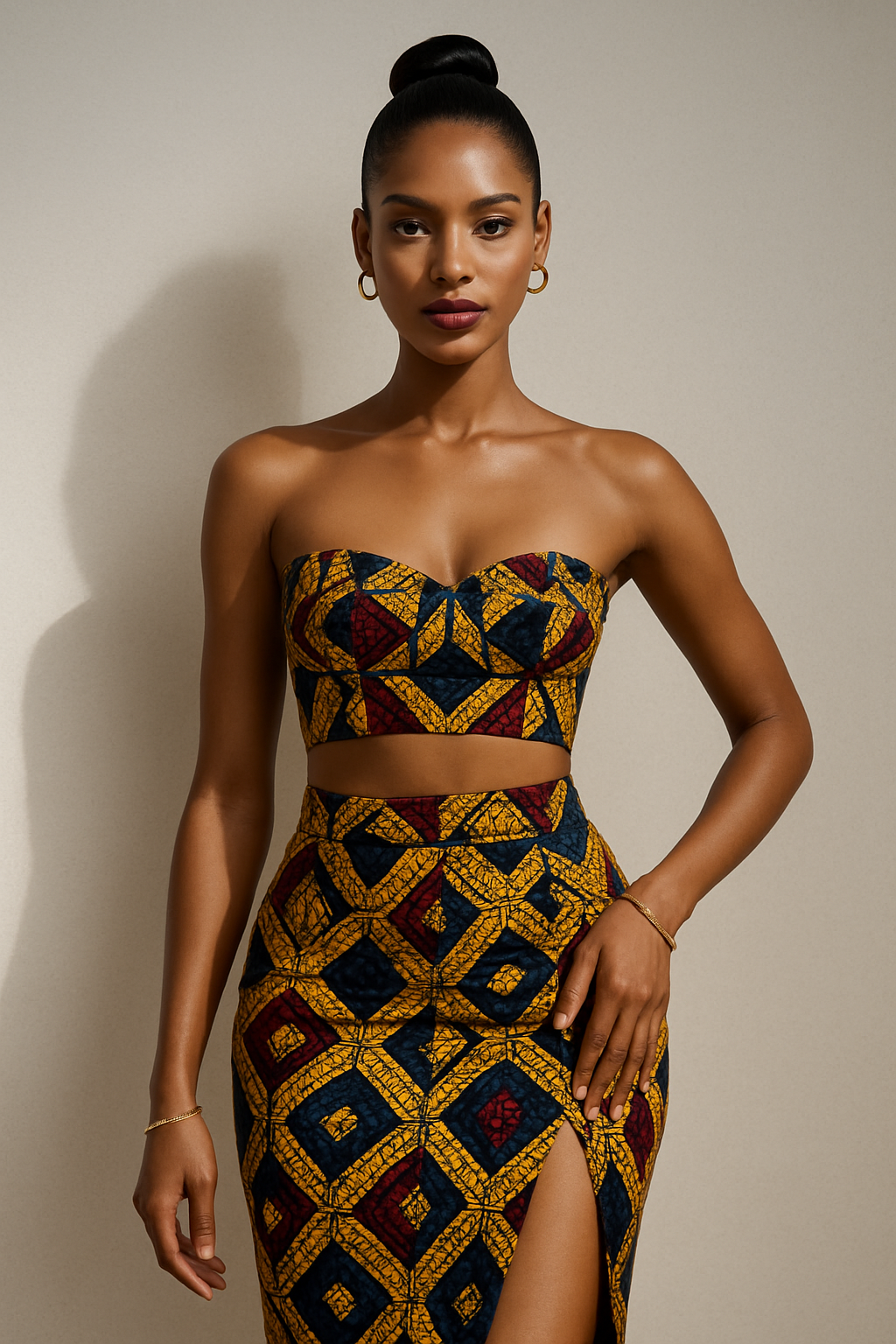
You spot it first on your favorite celebrity—a chunky, silver necklace that feels both retro and fresh. Days later, a style influencer pairs it with a vintage band tee. Suddenly, your TikTok and Instagram feeds are a glitching montage of this “new” rock-n-roll renaissance. Before you can even Google it, that very necklace is staring back at you from a Zara mannequin. You hold it in your hands, feeling that spark of discovery.
But here’s the secret: that spark wasn’t an accident. It was engineered.
The journey from a designer’s sketchpad to your wardrobe isn’t a mysterious force of nature. It’s a meticulously designed, data-driven system—a high-speed feedback loop that turns creativity into consumption. Think of your closet as an interface, and getting dressed each morning as your most daily form of UX design.
Cracking the Trend Code: Input, Process, Output
Let’s deconstruct the machine. Every trend runs on a simple, powerful circuit.
1. The Blueprint
This is the raw data, the initial spark. It could be a dramatic look from a Milan runway, the understated “quiet luxury” of a Succession character’s polo, or a musician’s strategically casual street style. These are the blueprints—the prototype designs entered into the cultural mainframe.
2. The Assembly Line
This is where the blueprint gets mass-produced. Fast-fashion giants like Shein and Zara act as hyper-efficient factories, using real-time social media data to replicate trends at lightning speed. At the same time, influencers and content creators are the essential “middleware,” translating high-concept looks into wearable, accessible style hacks. They are the tutorial that makes the new code user-friendly.
3. The Green Light
This is the data that validates it all. Every double-tap, share, and comment is a vote. Every purchase is a resounding “YES.” This feedback screams back to the system: “TREND CONFIRMED. AMPLIFY.“ The algorithm obliges, showing you more of the same, brands churn out more variations, and the loop intensifies until the trend peaks from sheer saturation, making way for the next new thing.
The Human Glitch: The Emotional Engine
Why do we willingly plug into this system? Because it runs on powerful, deeply human emotions.
- The Signal and the Tribe: Clothing is our most immediate visual language. Are you signaling “clean-girl aesthetic” with a slicked-back bun and a quality trench coat? Or perhaps “coastal grandpa” with relaxed linen and timeless loafers? Each trend is a tribe. Adopting one broadcasts your values, aspirations, and cultural savvy without you ever saying a word. You’re designing your physical-world profile.
- The Fear of the Scroll: The flip side of belonging is the dread of being left on “read” by the culture itself. As a trend explodes, not participating can feel like social obsolescence. This stylistic FOMO is jet fuel for the feedback loop, compelling us to buy in—literally—to stay current and connected.
- The Thrill of the “Find”: In an algorithmically curated world, the thrill of the hunt is a potent drug. Scrolling Depop for that perfect vintage leather jacket or spotting the ultimate high-street dupe gives us a hit of dopamine. It makes us feel clever, individualistic, and savvy—even when we’re playing a game that was designed to make us feel exactly that way.
While fleeting trends are like temporary apps, the world’s most powerful styles are enduring cultural operating systems, each running on a self-sustaining code. The vibrant, storytelling patterns of African print communicate heritage and identity with every thread. This stands in stark contrast to the philosophical elegance of Parisian chic, the decentralized innovation of Tokyo’s Harajuku streets, the sharp curation of Korean K-style, and the understated authority of Italian sprezzatura. Alongside foundational subcultures like punk and hip-hop, these are not mere trends, but deeply encoded cultural legacies that shape the entire fashion ecosystem.
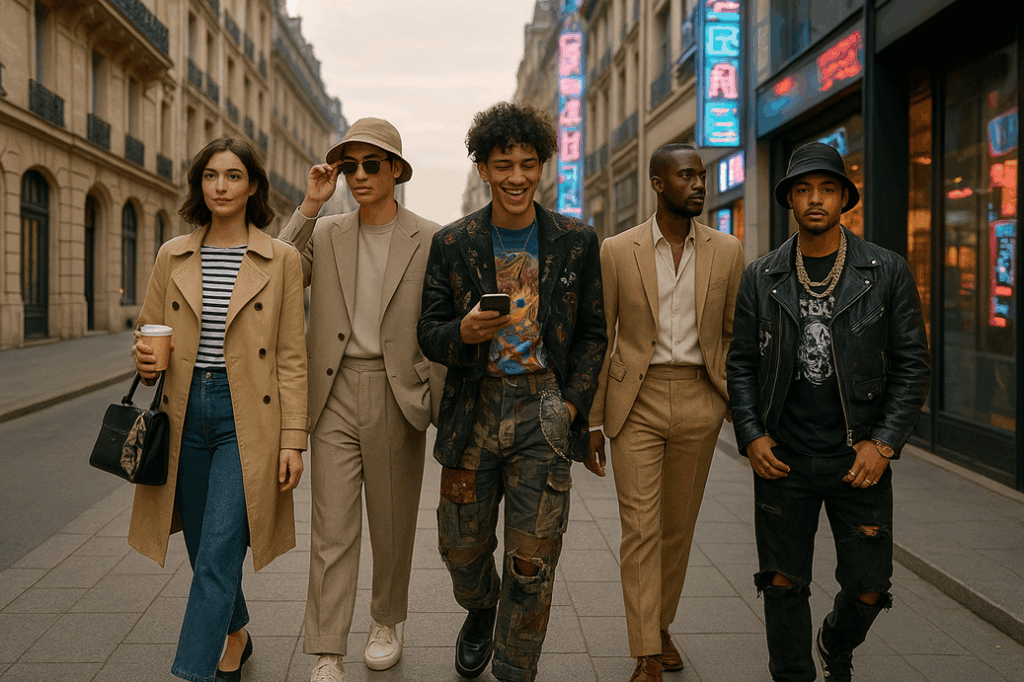
So the next time you stand before your closet, remember: you’re not just picking an outfit. You’re a user navigating a complex system. You’re making conscious interface choices. Which profile are you updating? Which tribe are you signaling?
Understanding this code doesn’t ruin the fun of fashion—it unlocks a new level. Now you can see the strings. You can choose to follow the algorithm faithfully, hack it for your own unique style, or write your own code from scratch.
Because the most timeless style isn’t about being on-trend. It’s about understanding the game and deciding how you want to play.

I truly enjoy reading on this internet site, it has great articles.