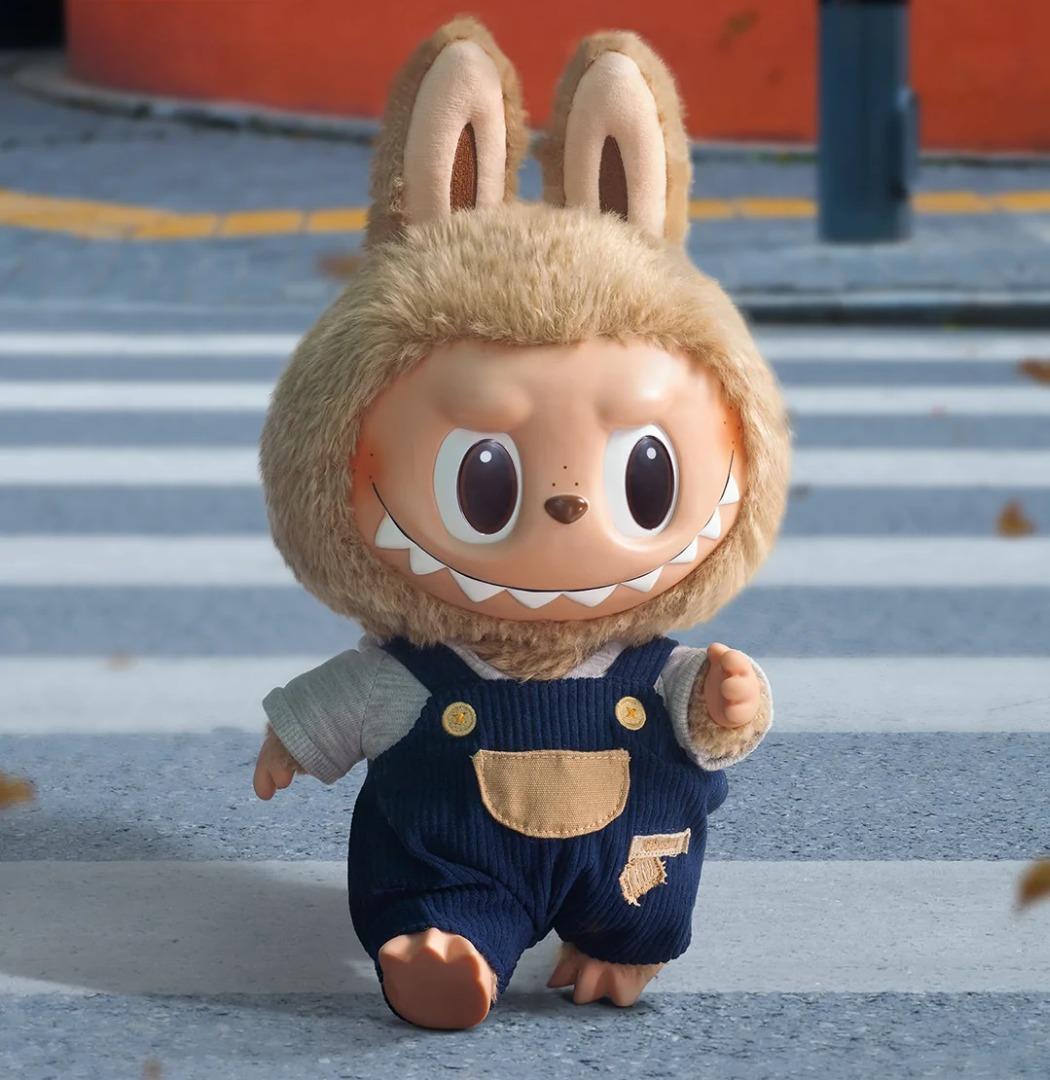
Pop Mart is a Shenzhen-based toy and collectibles company that has revolutionized the global toy industry by turning vinyl figurines into high-value art collectibles. Unlike traditional toy makers, Pop Mart doesn’t rely on movies or cartoons—instead, it partners with independent artists to create original, limited-edition characters sold in mystery blind boxes.
Unique Selling Points (USPs)
1. The Blind Box Business Model – Where Mystery Creates Value
At the heart of Pop Mart’s success lies its addictive blind box model, a retail innovation that transforms simple collectibles into coveted treasures. Each sealed box contains a mystery figurine, with odds carefully calibrated to include common, hidden, and ultra-rare variants—creating a gambling-like thrill that keeps customers coming back. The excitement isn’t just in ownership, but in the moment of revelation, a ritual so compelling that unboxing videos dominate Chinese social media. Take the Labubu “Flaming Skull” edition, a 1-in-144 rarity that fetched $150,000 at auction—proof that scarcity, when expertly engineered, can elevate a $12 toy into high art. Unlike traditional toy sales, where products sit predictably on shelves, Pop Mart’s blind boxes turn every purchase into a performance, a shared cultural experience that fuels obsession.
2. Artist-Driven IP – Where Underground Creators Become Superstars
Pop Mart has changed the game by betting on independent artists. The company scouts avant-garde designers like Kenny Wong (creator of Molly, the pouty-faced muse of China’s toy scene) and Kasing Lung (the mind behind Labubu’s mischievous grin). These collaborations aren’t transactional—Pop Mart elevates artists to celebrity status, giving them royalties and creative control. The result? A roster of original characters that feel fresh, subversive, and deeply personal, resonating with Gen Z’s disdain for corporate mass culture. In a world saturated with Marvel sequels and Frozen spin-offs, Pop Mart’s Molly and Dimoo stand out precisely because they aren’t tied to movies or merch mandates—they’re collectibles first, born from artistry rather than cinematic universes.
3. The Digital-First Hype Machine – Where Commerce Meets Spectacle
Pop Mart doesn’t just sell toys; it engineers cultural moments. On Douyin (China’s TikTok), livestreams of unboxing videos rack up millions of views, with hosts ramping up the drama as they crack open blind boxes to reveal rare finds. The frenzy spills into resale platforms like Xianyu, where collectors trade figures at 10x retail prices, transforming playthings into appreciating assets. Even high art gets a seat at the table: collaborations with luminaries like Yoshitomo Nara bridge the gap between street culture and galleries, making Pop Mart a tastemaker, not just a retailer. This isn’t accidental—it’s a deliberate blurring of commerce and community, where every product drop is an event, every unboxing a story, and every collector a potential influencer. While competitors rely on stale ads or mall kiosks, Pop Mart’s genius lies in embedding itself into the digital rituals of young consumers, turning shopping into a shared, screen-powered adventure.
What Global Brands Can Learn From Pop Mart’s Success
Pop Mart’s explosive growth represents more than just a Chinese success story – it’s a masterclass in modern consumer engagement that transcends borders. By blending psychological triggers with cultural authenticity, the company has rewritten the playbook for brands worldwide. Here’s how global companies can adapt these principles across five key areas:
A. The Phygital Revolution
At the heart of Pop Mart’s strategy lies its genius fusion of physical and digital experiences. Their blind boxes transform simple purchases into social events – the unboxing moment is designed to be shared, turning customers into brand ambassadors. This approach taps into fundamental human desires: the thrill of surprise, the status of exclusivity, and the joy of community participation.
Global brands like Nike and Starbucks are already adapting this model through virtual collectibles and AR experiences. Nike’s .SWOOSH platform allows sneaker enthusiasts to own digital twins of physical products, while Starbucks rewards NFT collectors with real-world perks. The lesson is clear: in an age where 72% of Gen Z values digital ownership as much as physical (McKinsey 2024), successful brands will create products that live both on shelves and in social feeds.
B. Cultivating Original IP
Pop Mart’s radical departure from licensed characters reveals a powerful truth: today’s consumers crave authentic creativity over recycled nostalgia. While Disney relies on century-old franchises, Pop Mart partners with underground artists to develop original characters that resonate with Gen Z’s desire for self-expression. Global brands can follow this lead by building their own creative ecosystems.
Uniqlo’s UT line demonstrates how collaborating with indie artists can yield fresh, culturally relevant designs without licensing fees. Lego’s Ideas platform proves that crowdsourcing product designs can create instant fan favorites. The payoff is substantial – owned IP delivers 100% profit retention versus the 15-20% typically lost to licensing fees, along with unlimited creative freedom.
C. Social Commerce as Theater
Pop Mart has transformed shopping from transaction to entertainment. Their livestreams, which regularly attract millions of viewers, turn product unveilings into must-watch events. This shift reflects a broader trend where 68% of consumers now prefer discovery through social platforms rather than traditional retail (Meta 2023).
Global brands are taking note – beauty companies like Florasis have seen $2M sales in hours when founders personally demo products, while sportswear brands gamify purchases through AR filters and challenges. The key insight? Modern commerce thrives on participation, not passive consumption.
D. The Democratization of Luxury
Perhaps Pop Mart’s most disruptive innovation is making exclusivity accessible. Their tiered pricing strategy – from $12 entry points to ultra-rare $150,000 collectibles – creates a “ladder of desire” that welcomes all consumers while rewarding dedicated fans. This model is proving adaptable across industries.
Glossier’s limited-edition releases sell out in hours by offering affordable luxuries, while luxury watchmakers like Rolex maintain prestige through carefully managed scarcity. The lesson for global brands is to rethink elitism – today’s consumers want inclusive entry points with aspirational peaks rather than exclusionary pricing.
5. The Hyperlocal Advantage
While many global brands focus solely on major cities, Pop Mart’s dominance in China’s Tier 2/3 markets reveals the power of regional strategies. Their localized flagships and city-exclusive products demonstrate that prestige isn’t tied to global uniformity but rather cultural specificity. International brands like IKEA and McDonald’s are successfully applying this approach – from bamboo furniture designed for Mumbai apartments to tagine-spiced burgers in Morocco. The formula is clear: celebrate local identity rather than imposing global sameness.
Pop Mart’s success reveals the new rules of consumer engagement: emotional connection trumps transactions, cultural moments outweigh products, and community building eclipses traditional marketing. By mastering the balance between digital and physical, mass appeal and exclusivity, global scale and local intimacy, this Chinese innovator has rewritten the commerce playbook for the attention economy. The lesson for global brands is clear – in an era where consumers crave belonging more than belongings, the winners will be those who transform shopping from a solitary act into shared cultural experiences, proving that the future of retail isn’t about what you sell, but how you make people feel.
(Want to explore how these strategies apply to your industry? Let’s dive deeper—comment below or reach out!)